
🐝 Beeswax
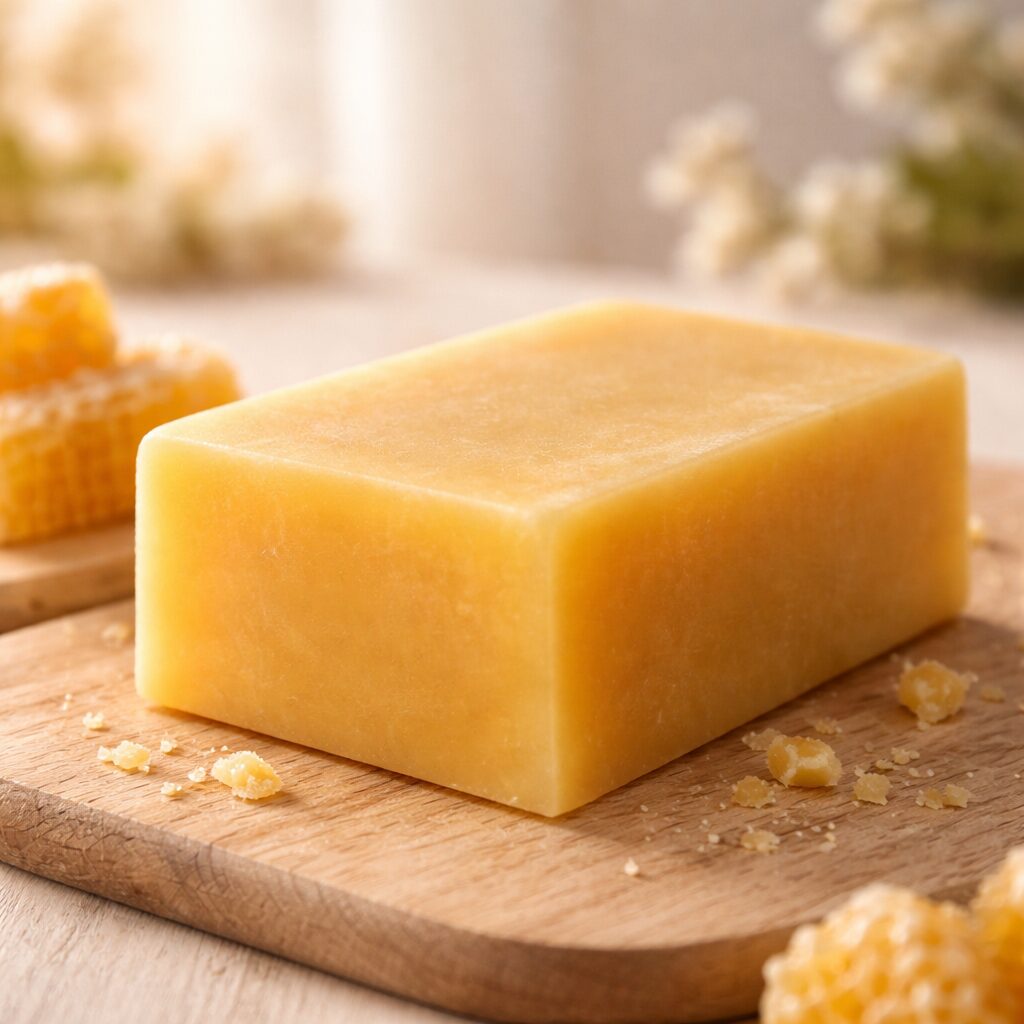 Beeswax is produced by bees through special wax glands located on the underside of the abdomen of worker bees.
Bees use wax to build the honeycomb structure inside the hive, creating the natural cells used for storing honey, pollen, and brood.
Properties of Beeswax
Melting point: 69–72 °C (156–162 °F)
Natural beeswax can come in different shades depending on its composition.
The color of beeswax is influenced by:
propolis
certain types of pollen
As a result, beeswax may appear:
yellow
white
reddish
or even dark brown / black
Uses of Beeswax
Beeswax has been valued for centuries in both medicine and cosmetics.
It is commonly used as a base ingredient in many pharmaceutical and cosmetic products, including:
creams
ointments
skin balms
patches
medicinal suppositories
Because of its natural texture and protective properties, beeswax is especially appreciated in products designed to nourish, soften, and protect the skin.
Traditional Cosmetic Recipes with Beeswax
Below are some traditional examples of how beeswax has been used in homemade skincare.
Facial Cleansing Cream
6 g beeswax
0.5 g borax
27.5 g peach oil
16 g water
A traditional gentle cream used for cleansing the face.
Nourishing Face Cream
5 g beeswax
6 g spermaceti
24 g peach oil
4 g glycerin
Traditionally used as a nourishing and softening face cream.
Cream for Oily Skin
5 g aromatic alcohol
5 g beeswax
7.5 g water
Traditionally used for oily or shiny skin.
Nourishing Face Mask
5 g beeswax
70 g honey
juice of 1 white lily bulb
A traditional mask intended to help soften and nourish the skin.
Firming Face Mask
10 g beeswax
10 g peach oil
10 g lanolin
50 g petroleum jelly
0.5 g zinc sulfate
1 g bismuth nitrate
8 g zinc oxide
Traditionally used as a firming and protective facial treatment.
Anti-Wrinkle Face Mask
30 g white beeswax
30 g honey
30 g onion juice
30 g white lily bulb juice
A traditional beauty recipe used to help support skin smoothness and elasticity.
Why People Value Beeswax
Beeswax is loved for its natural ability to:
help protect the skin
support softness and hydration
create a smooth, rich texture in creams and balms
act as a natural base in handmade skincare products
⚠️ Important Note
This information is based on traditional and cosmetic uses of beeswax.
Beeswax is intended for external use in cosmetic and skincare applications, unless specifically prepared for another purpose.
People with allergies to bee products should use with caution.
🍯 Creamed Honey
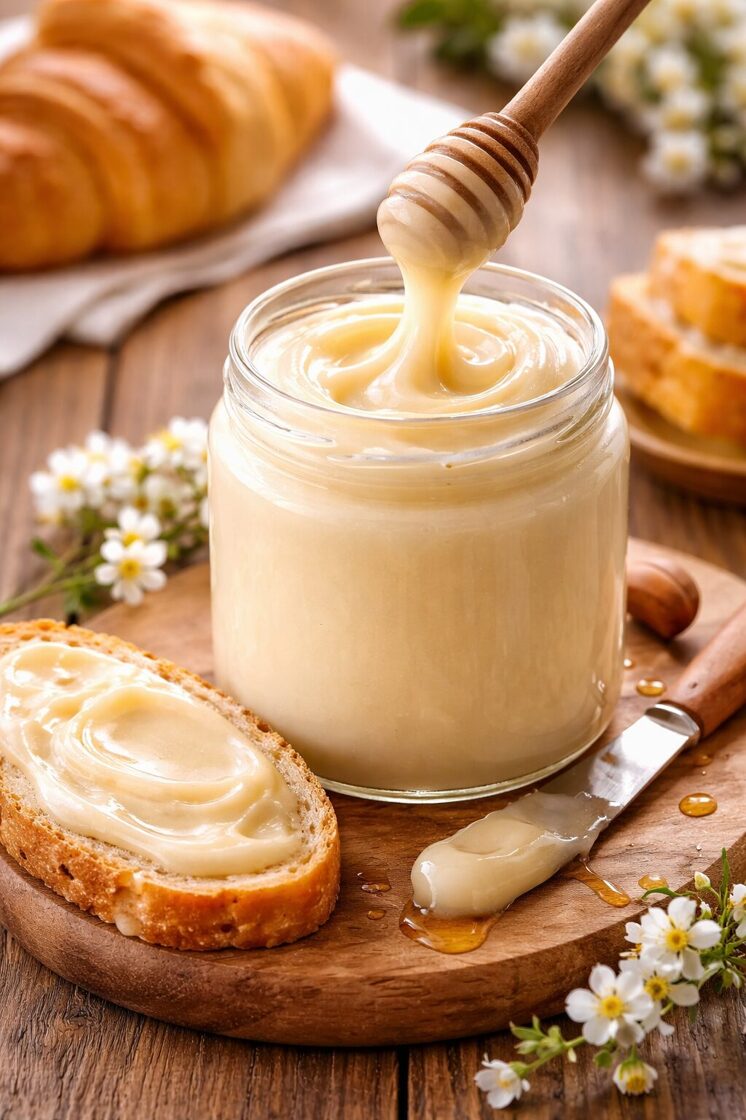 Many people think that creamed honey is simply whipped honey, like whipped cream — but that is not actually the case.
No air is “beaten” into the honey.
Here is a little explanation of how we, and many other beekeepers, create this soft, smooth, creamy honey.
How Creamed Honey Is Made
As we know, honey naturally goes through the process of crystallization.
Over time, it becomes firm — and sometimes so solid that trying to scoop it out of the jar can feel like a challenge for both you and your favorite spoon.
Honey naturally contains glucose, sucrose, and fructose, and during storage it gradually forms larger, coarse glucose and sucrose crystals.
After the honey is extracted from the combs, we pour it into a large mixing tank and allow it to rest for a few days so the natural crystallization process can begin.
The mixer is equipped with large vertical paddles and an automatic system that slowly stirs the honey from time to time.
This gentle mixing process helps break down the large crystals into much smaller ones, creating the wonderfully smooth, fine, creamy texture that makes creamed honey so enjoyable.
Smooth, Spreadable & Ready to Enjoy
And that’s how this delicious treat becomes ready for everyday use —
without breaking your favorite spoon.
Creamed honey is perfect for enjoying with your favorite foods and drinks, thanks to its:
soft texture
smooth consistency
easy spreadability
naturally sweet, delicate honey flavor
Why People Love Creamed Honey
Creamed honey is especially loved because it is:
easier to spread on bread or toast
smoother and more pleasant to eat by the spoonful
less messy than hard-crystallized honey
ideal for tea, breakfast, desserts, and snacks
Natural Energy & Everyday Wellness
Honey may help:
support energy levels
improve mood
support daily performance and vitality
Enjoy honey to feel more energized and support your well-being naturally.
Recommended Daily Amount
It is best to take honey in several portions throughout the day.
Suggested daily intake:
Children: 30 g per day
Older adults: 60 g per day
Working / active adults: 90 g per day
How to Use
Honey is traditionally recommended:
1.5–2 hours before meals, or
3 hours after meals
It is best enjoyed:
with warm boiled water
with tea
with milk
For traditional use, honey is often taken diluted.
Traditional recommendation:
Honey dissolved in warm water may help reduce stomach acidity and ease discomfort such as heartburn
Honey dissolved in cold water may increase stomach acidity
⚠️ Important Note
Not recommended for children under 12 months of age.
People with allergies to bee products should use with caution.
Honey is a natural food product, not a medicine.
🐝 Propolis
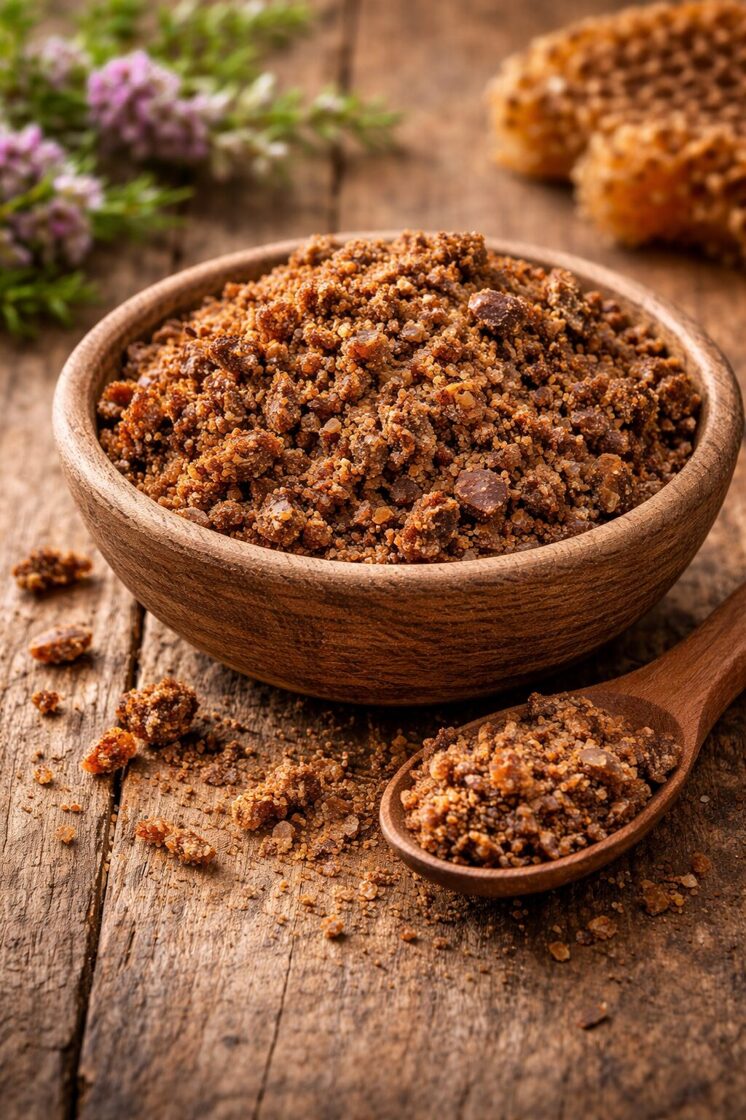
Propolis is collected by bees from plant buds and resinous substances found in flowers and trees.
The wide range of healing properties of propolis is mainly based on its antibacterial activity.
In traditional folk medicine, propolis is warmed and applied to linen cloth, or alternatively, propolis-coated hive cloths can be used. It has traditionally been used for the treatment of boils, slow-healing wounds, and burns, as well as for joint pain and nerve pain.
It is recommended to apply it overnight, wrapping the cloth with a bandage and covering it with knitted or woolen fabric.
Uses of Propolis in Medicine
Propolis can be used in different forms:
- propolis ointments, usually made with white or yellow petroleum jelly, lanolin, animal fats, or vegetable oils (such as olive oil, sunflower oil, etc.);
- propolis extracts in water or alcohol solutions of various concentrations;
- propolis pastes;
- propolis emulsions: propolis dissolved in 96% alcohol and mixed with water or milk;
- propolis plasters (used for skin conditions);
- crushed propolis for inhalation and biological dressings;
- chewing gums and candies, more commonly used in dentistry.
Propolis Ointment (Paste)
To prepare propolis ointment, the propolis is first cleaned of impurities and crushed in a mortar.
Petroleum jelly is placed in an enamel container and heated to 45°C (113°F).
The crushed propolis is then added and stirred until a smooth, uniform mass is formed.
After that, it is filtered through double-layered gauze, and the ointment is ready for external use.
Propolis Alcohol Solution
A propolis alcohol solution is prepared in different concentrations, most commonly 20–40%.
Preparation:
Pour 500 ml of 96% alcohol over 100 g of crushed propolis and shake for 30 minutes.
Store the mixture in a dark place, shaking it occasionally.
After 2–5 days, filter it through gauze.
This solution can be stored for many years and serves as a base preparation for making other propolis products.
Propolis for a Runny Nose
Many doctors believe that propolis preparations are among the few remedies that can effectively help treat a runny nose, a condition that often responds poorly to treatment.
As soon as the first symptoms of a runny nose appear, the nasal passages should be lubricated two or three times a day with 20% propolis oil or ointment.
A runny nose may disappear within a few days.
However, if propolis is started after heavy nasal discharge has already begun, the effect is usually much weaker.
⚠️ Important note
This information is based on traditional and folk uses of propolis.
It is not a substitute for professional medical advice.
People who are allergic to bee products should use propolis with caution or avoid it entirely.
🌾Honey with Rye Breadcrumbs
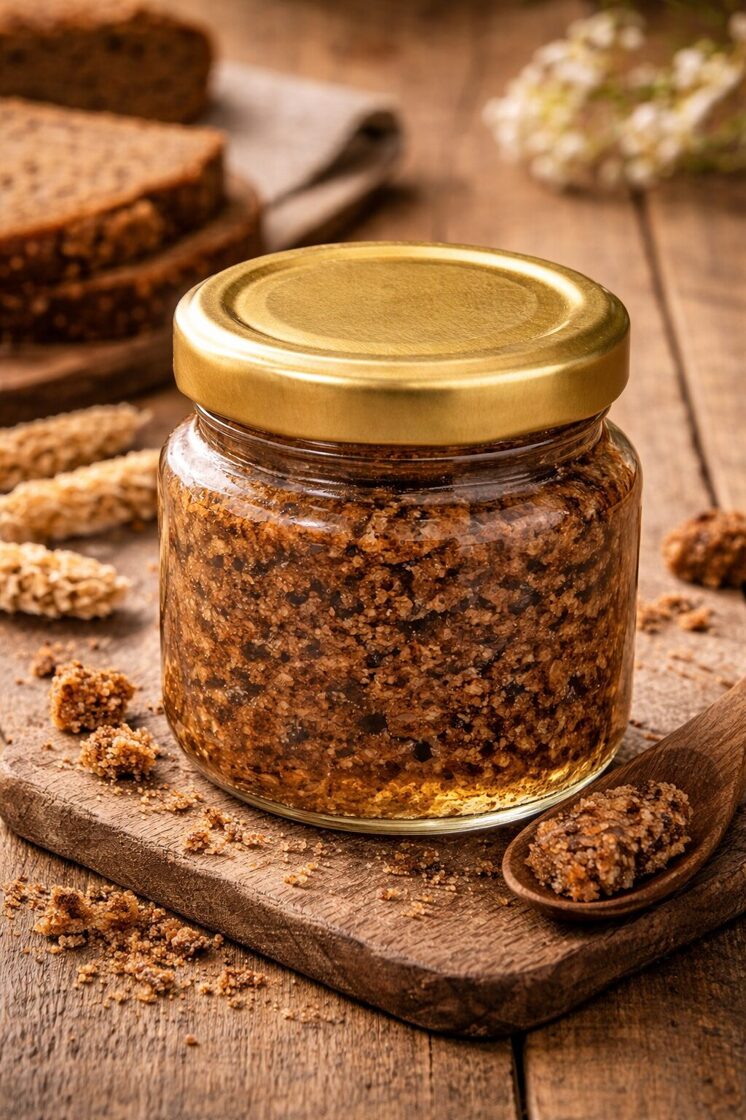 Honey with rye breadcrumbs is a unique and traditional combination that brings together natural sweetness and rich, roasted grain flavor.
This product blends pure natural honey with finely prepared rye breadcrumbs, creating a texture that is both smooth and slightly crunchy, with a deep, warm taste reminiscent of traditional Northern European cuisine.
Rye breadcrumbs add a subtle toasted, nutty flavor, perfectly balancing the natural sweetness of honey. The result is a product that is both nutritious and satisfying, offering a completely different experience from regular honey.
Why You’ll Love It
unique combination of sweet and roasted flavors
rich in natural energy from honey and grains
satisfying texture with a slight crunch
inspired by traditional recipes
perfect for everyday use or as a special gourmet treat
How to Enjoy
Honey with rye breadcrumbs can be used in many delicious ways:
spread on bread or toast
added to porridge or yogurt
enjoyed with tea or milk
used as a topping for desserts or pancakes
eaten on its own as a natural energy snack
Natural Energy Boost
This combination provides a quick source of energy from honey, along with longer-lasting nourishment from rye grains, making it a great choice for:
busy mornings
active lifestyles
a natural alternative to processed sweets
⚠️ Important Note
Not recommended for children under 12 months.
People with allergies to bee products or gluten should use with caution.
🍯 Honey with Bee Pollen
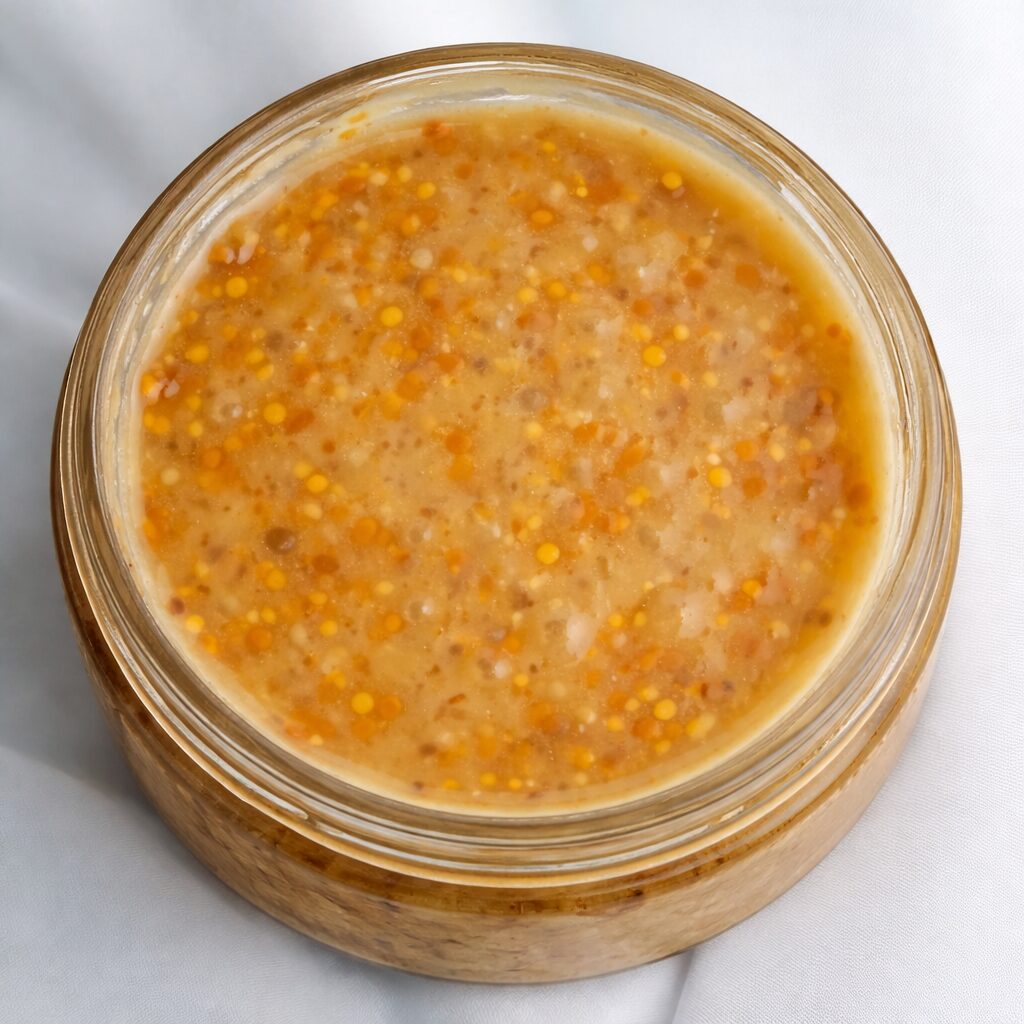
Bee pollen in honey is especially recommended for athletes and people with high physical activity levels.
This natural combination may help improve endurance and performance, while also helping to delay the onset of physical and mental fatigue.
It provides the body with a quick and natural source of energy, making it a popular choice during periods of increased workload, training, or recovery.
Scientists and natural health enthusiasts also suggest that bee pollen mixed with honey may help support longevity and slow down premature aging, thanks to its rich nutritional content and natural bioactive compounds.
Directions for Use
Recommended daily amount:
Adults: 1 tablespoon per day
Children 3–5 years: 1 teaspoon per day
Children 6–12 years: 1 tablespoon per day
The daily amount can be divided into several smaller portions throughout the day.
⚠️ Important Note
This product is a natural food supplement, not a medicine.
People who are allergic to bee products or pollen should use it with caution or avoid it entirely.
Not recommended for children under 3 years of age.
🐝 Bee Bread
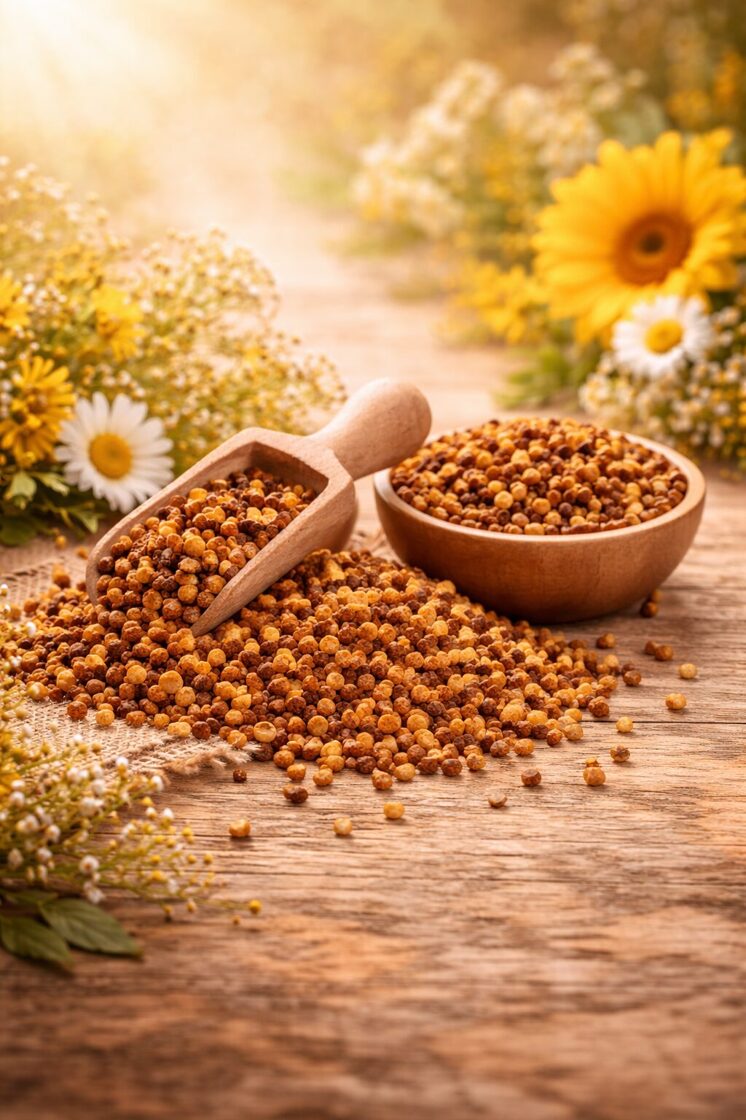
Bee bread is made when bees collect pollen, mix it with honey and natural enzymes, and pack it tightly into honeycomb cells.
As a result of this natural process, lactic acid fermentation takes place, and the final product becomes what is known as bee bread.
Scientists have found that bee bread contains around 25 macro- and microelements, as well as:
B-group vitamins
Vitamins A, D, C, P, and E
enzymes
hormone-like substances
phytoncides
and valuable minerals such as potassium, magnesium, iron, iodine, and others
Bee bread is especially recommended during spring and autumn, when the body may need extra support to help maintain its natural defenses.
It may help to:
support the body during fatigue and recovery periods
help delay premature aging
support the body during mental, emotional, and physical stress
reduce difficulty concentrating
help restore energy and vitality
Directions for Use
Recommended daily amount:
Adults: 1–2 teaspoons, 2 times per day
Children 3–5 years: up to 1 teaspoon per day
It is not recommended late in the evening, as it may have a stimulating effect and could interfere with sleep.
How to take it:
Keep the bee bread in your mouth for at least one minute, chewing it slowly and mixing it with saliva before swallowing.
It can also be added to:
honey
yogurt
breakfast muesli
Recommended Use Cycle
Bee bread is best taken in courses 2–4 times per year, with at least a 4-week break between each course.
⚠️ Important Note
Bee bread is a natural food supplement, not a medicine.
People who are allergic to bee products or pollen should use it with caution or avoid it entirely.
Not recommended for children under 3 years of age.
🌼 Bee Pollen
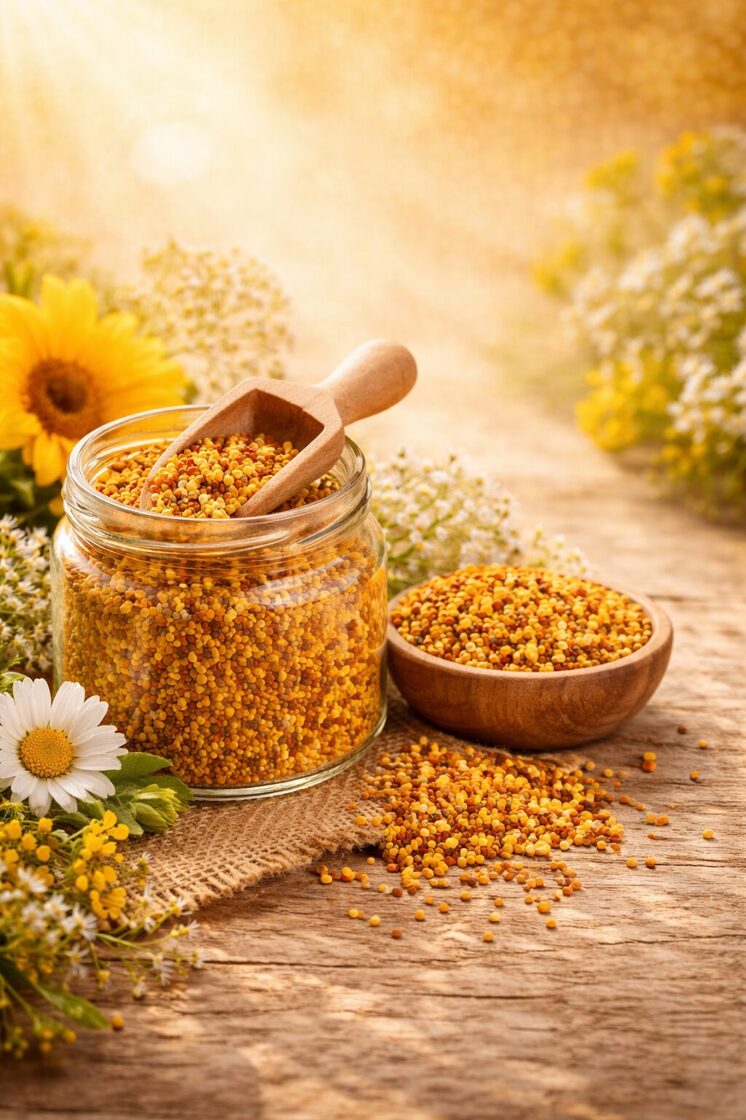
Bee pollen contains carbohydrates, vitamins, essential amino acids, proteins, minerals, enzymes, and many other valuable nutrients.
These are important substances needed for the growth, development, and overall well-being of the human body.
The use of bee pollen may help to:
support a healthy metabolism
reduce nervousness and fatigue
improve sleep quality
support the body during the recovery period after serious infectious illnesses, injuries, or surgery
Bee pollen is also known to help normalize digestive tract function and intestinal microflora.
The natural antibacterial compounds found in pollen may help suppress harmful intestinal microflora and support a healthier bacterial balance in the gut.
It is often used to:
improve appetite
increase energy and stamina
support work capacity and vitality
strengthen the body’s natural defenses
Directions for Use
It is recommended to take bee pollen during or after meals.
Recommended daily amount:
Adults: 20 g per day
(approximately 1 heaped tablespoon)Children 3–5 years: 12 g per day
(approximately 1 heaped teaspoon)Children 6–12 years: 16 g per day
(approximately 1 tablespoon)
How to use:
For preventive use, take the daily amount in the morning
For therapeutic use, divide the daily amount into 3 portions
Bee pollen is usually taken in courses of 1–3 months.
For regular use, it is recommended to consume at least 250–300 g per year.
⚠️ Important Note
Bee pollen is a natural food supplement, not a medicine.
People who are allergic to bee products or pollen should use it with caution or avoid it entirely.
If you are pregnant, breastfeeding, or have a medical condition, consult your healthcare provider before use.
🍯 About Honey
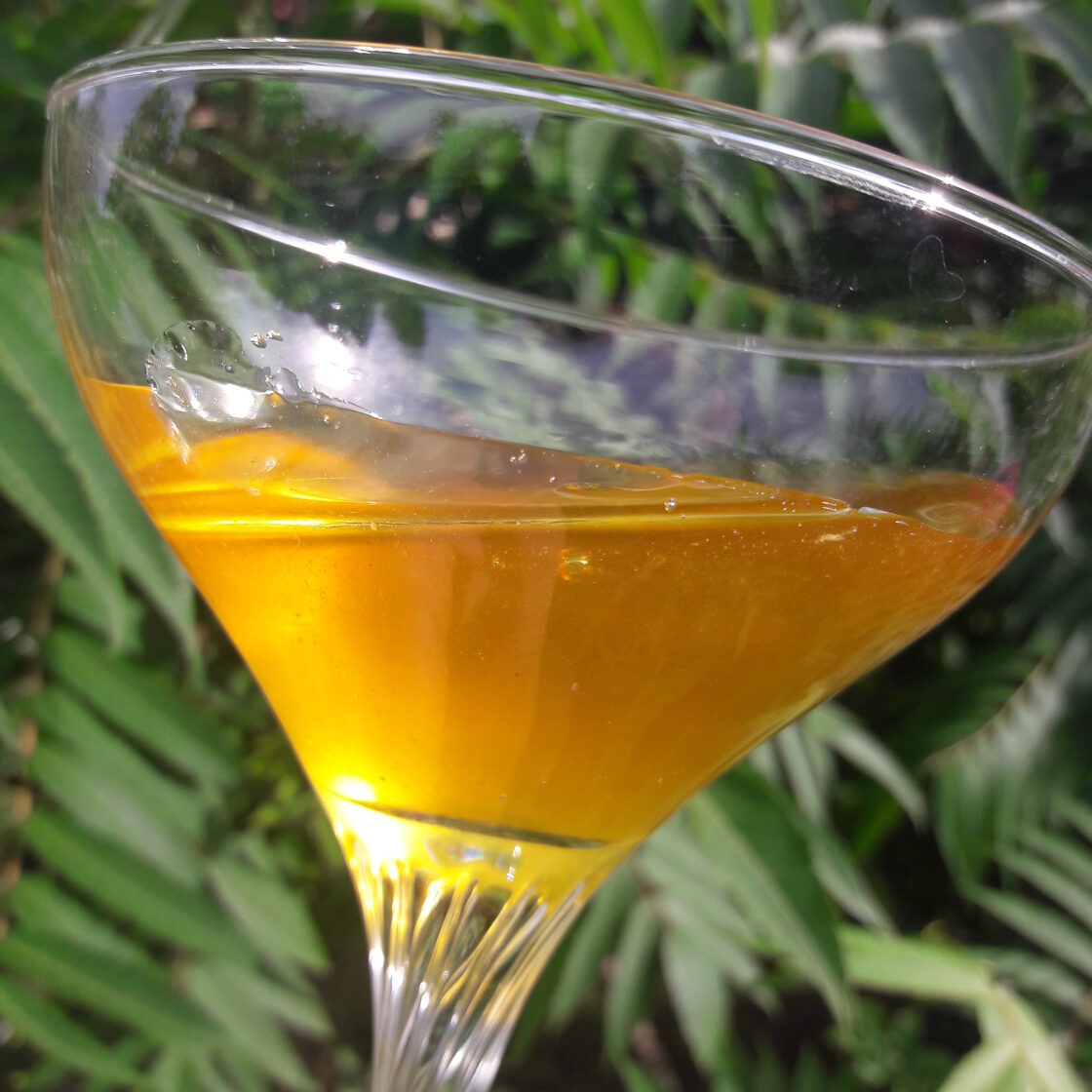
Compared to regular sugar (sucrose), the natural sugars found in honey (glucose and fructose) are absorbed by the body very quickly and provide a fast source of energy.
Because honey sugars are easily absorbed and quickly release energy, honey is often recommended for people who are:
physically exhausted
underweight or weakened
recovering after serious illness
experiencing fatigue or low energy
In the presence of fructose, the body may also absorb iron more efficiently, which is another reason why honey is valued as a natural food.
Eat honey to feel more energized and help support your well-being!
Recommended Daily Amount
It is best to take honey in several portions throughout the day.
Suggested daily intake:
Children: 30 g per day
(about 1 teaspoon, 2–3 times a day)Older adults: 60 g per day
Working adults / active adults: 90 g per day
How to Use Honey
Honey is best taken:
1.5–2 hours before meals, or
3 hours after meals
It is often recommended to take honey:
with warm boiled water
with tea
with milk
Honey is best used diluted, for example in equal parts with warm water.
Traditional recommendation:
Honey dissolved in warm water may help reduce stomach acidity and ease discomfort such as heartburn
Honey dissolved in cold water may increase stomach acidity
Honey for Colds
During colds, honey is traditionally used together with:
linden flower tea
peppermint tea
This combination is often valued for its warming and soothing properties and may help support easier expectoration.
Traditional use:
Add 1 tablespoon of honey to:
1 cup of hot tea, or
1 cup of warm milk
You may also add lemon juice.
Honey for Face and Skin Care
Honey has also traditionally been used in natural skincare.
For Dry and Normal Skin
Honey & Lemon Face Mask
Juice of 1 lemon
100 g honey
Mix the lemon juice with honey and apply a thin layer to the face.
Leave for 5–10 minutes, then rinse with cold water.
For Dry and Normal Skin – To Help Prevent Early Wrinkles
1 teaspoon honey
2 tablespoons flour
1 egg white
Whisk the flour with the egg white and add the honey.
Apply the mixture to the face and leave for 10–15 minutes, then rinse with warm water.
Nourishing Honey Face Mask
1 teaspoon milk or kefir
1 teaspoon cottage cheese
1/2 teaspoon honey
Mix well and apply to the face for 30–60 minutes.
Rinse with warm water.
You may finish by gently rubbing the skin with a slice of lemon.
Honey Water for the Face
1 tablespoon honey
2 glasses of warm water
A honey water facial rinse can be prepared by washing the face in the solution for 5–7 minutes, then rinsing with warm water without soap.
Traditionally, honey water is believed to:
nourish the skin
help smooth fine lines
refresh the complexion
leave the skin feeling soft and velvety
Honey Baths
Honey baths are also traditionally considered beneficial.
Traditional use:
Add 200–250 g of honey to a warm bath.
⚠️ Important Note
Honey is a natural food product, not a medicine.
Children under 12 months of age should not consume honey.
People with allergies to bee products should use honey with caution.
If you have a medical condition, consult a healthcare professional before using honey for health purposes.